


Are You Really That Busy, Or Just AI-Powered? The Office of Tomorrow is Here (And It Needs HR)
4/30/20261 min read
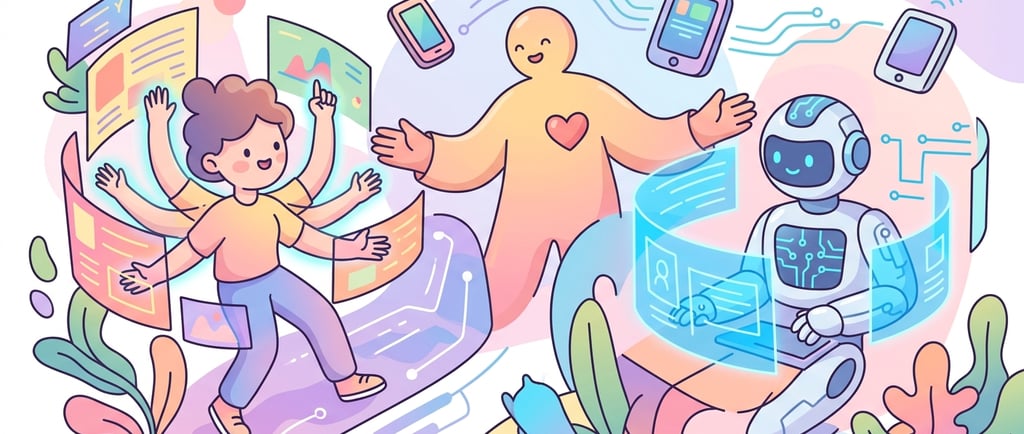
Remember the feeling of triumph when you finally finished a dull, yet necessary, weekly report? Good news: you might never have to experience that dullness again. Bad news: your boss might start wondering what you’re actually doing during the workday.
Generative AI has officially moved beyond being a novelty and is now the silent, often clumsy, intern in every office, from Sheung Wan to Silicon Valley. We’ve all seen the results: the email reply that sounds unnervingly polished, the meeting summary that captures the nuance nobody else heard, or the PowerPoint presentation deck that was finished in 15 minutes instead of three hours. This is the new age of "AI-assisted productivity," and it's simultaneously hilarious and terrifying.
For employees, AI is the ultimate office “cheat code,” allowing them to skip the drudgery and perhaps focus on strategic work (or just enjoy a longer lunch). For bosses, it's a productivity boom—until they realize the perfect marketing copy wasn't written by their top creative but by a $20/month subscription.
This shift presents a massive, immediate headache for HR professionals. How do you accurately measure performance when the line between human effort and algorithmic output is completely blurred? If John Doe can produce 10 reports a week using AI, but Jane Smith produces 5 highly strategic reports using only human ingenuity, who is the higher performer?
The challenge isn't stopping the AI; that ship has sailed. The real challenge is establishing the ground rules for the office of 2026. HR must address critical issues like data confidentiality, ensuring sensitive company information doesn't end up training a public model, and establishing clear guidelines on ownership and authorship.
The conversation needs to move from fear ("Should we ban ChatGPT?") to strategy ("How do we leverage ChatGPT responsibly?"). The modern HR mandate is to transform from gatekeeper to guide, creating policies that foster innovation while protecting the company. After all, the best co-worker might soon be the one you can simply turn off at the end of the day.